

How do you turn small beginnings into a structured, scalable trading system? In this episode, Kirk sits down with Kevin—a long-time Option Alpha member and one of the early beta waitlist users of the autotrading platform. Kevin shares how he began trading shortly after the 2008 financial crisis, starting with limited capital and spending nearly two years studying markets before ever placing his first options trade. What followed was a deliberate shift toward structure, discipline, and rules-based decision-making.
Throughout the conversation, Kevin explains how he approaches position sizing, manages risk with automated rules, and builds consistency through weekly reviews. His story is a masterclass in trading patiently, learning from setbacks, and letting process—not emotion—drive long-term results.
Early trading journey (2010–2012)
Kevin describes how he entered the markets in the years following the 2008 crisis, just after graduating college into a difficult job environment. With limited resources, he spent one to two years studying markets, relying on books, early online trading content, and self-guided practice before placing any real trades.
His first meaningful trade—a long position in Nokia during its acquisition by Microsoft—proved successful, but also emotional. That experience sparked his interest in options and highlighted the importance of knowing what you own and why you’re trading it. He eventually began selling covered calls on his Nokia shares to generate income, intrigued by the idea of “renting out stock” while holding a long position.
Kevin notes that he didn’t initially realize paper trading was available, but later found delayed data limited in its usefulness. Live trading, with real-time feedback and real stakes, became a more valuable teacher.
Kevin’s evolving philosophy: A rules-based path to consistent options trading
Over the years, Kevin shifted away from emotional, intuition-driven trading toward structured, rules-based decision-making. After navigating multiple market downturns and experiencing account drawdowns, he realized that prediction wasn’t the key—process was.
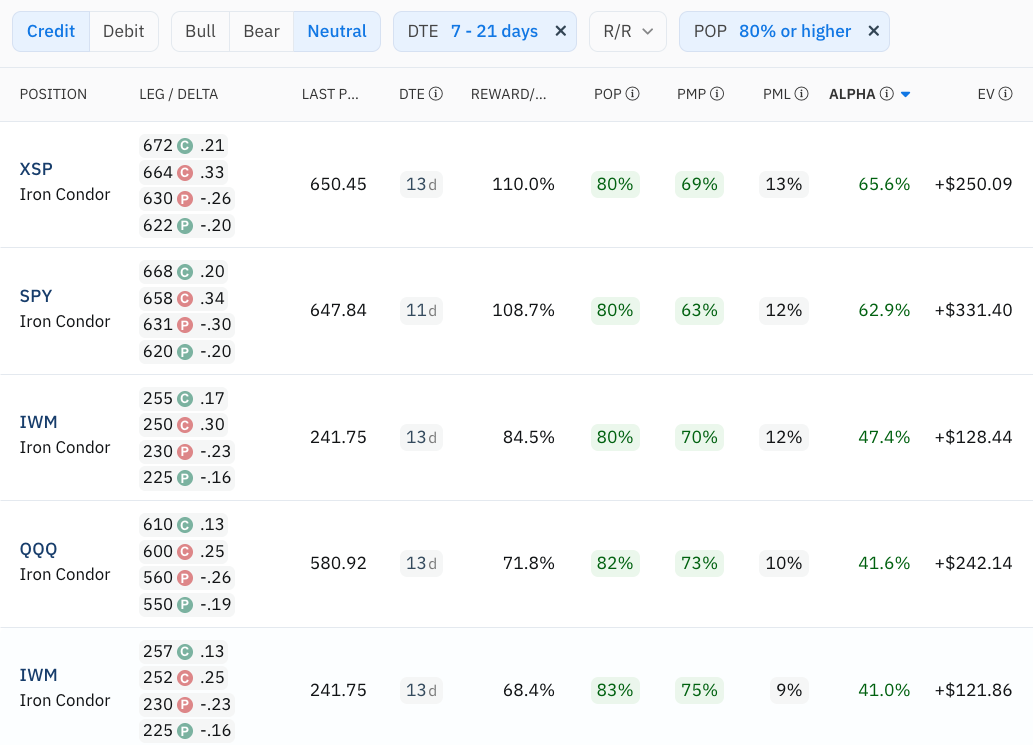
Today, his trade logic blends fundamentals with market context. He avoids entering positions at new highs, prefers waiting for pullbacks aligned with the broader trend, and uses different spread structures depending on expected movement. Short put spreads and long call spreads support bullish bias, while iron condors help him navigate choppy or range-bound markets.
He typically targets trades with 30 or more days to expiration for cleaner setups and avoids earnings announcements to reduce noise and event-driven volatility.
Hard trading lessons and quiet markets
Kevin talks openly about the periods where he drifted from his rules—and the costly lessons that followed. To prevent these lapses, he built a structured system to enforce discipline and ensure he stayed within predefined boundaries. Position sizing is percentage-based so that trade size scales automatically with account equity over time.
During slow markets or when setups don’t meet his criteria, Kevin turns to stocks he’d be comfortable holding long-term. Wheel strategies or covered-call income trades keep him engaged without forcing lower-quality entries. He emphasizes that sometimes the best trade is doing nothing at all—and automation helps him avoid unnecessary activity when the market isn’t offering good opportunities.
Weekly routine
Each Sunday evening, Kevin conducts a review of the prior week’s trades, analyzing what went well, what didn’t, and where adjustments might be needed. These sessions help him forecast the coming week, reset his screeners, and pre-load trade candidates into his automation. This routine keeps him grounded and removes emotional pressure once markets open.
By entering each week with a plan—and relying on automation to execute that plan—Kevin reduces noise and stays aligned with his long-term goals.
Advice for new traders
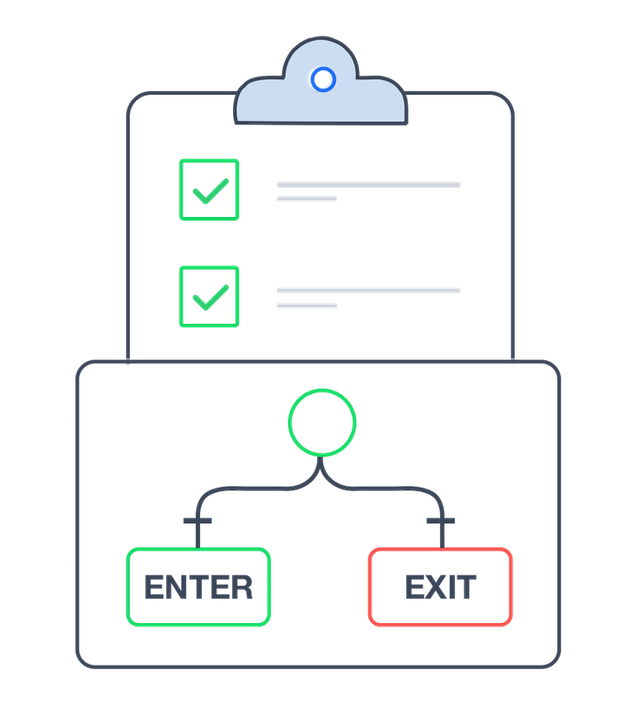
Kevin encourages new traders to start simple and master one strategy—such as short put spreads or covered calls—before adding complexity. Setting clear targets before entering a trade, knowing both entry and exit points, and using hedges or protective puts when appropriate are central to protecting capital and reducing emotional decision-making.
He also emphasizes the importance of community. Trading can feel isolating, but learning is faster when shared. Engaging with others, asking questions, and contributing insights accelerates growth in ways that solo study rarely can.
.png)



'%3e%3cg id='Final-Copy-2_2_' transform='translate(1275.000000, 200.000000)'%3e%3cpath class='st0' d='M7.4,12.8h6.8l3.1-11.6H7.4C4.2,1.2,1.6,3.8,1.6,7S4.2,12.8,7.4,12.8z'/%3e%3c/g%3e%3c/g%3e%3c/g%3e%3cg id='final---dec.11-2020'%3e%3cg id='_x30_208-our-toggle' transform='translate(-1275.000000, -200.000000)'%3e%3cg id='Final-Copy-2' transform='translate(1275.000000, 200.000000)'%3e%3cpath class='st1' d='M22.6,0H7.4c-3.9,0-7,3.1-7,7s3.1,7,7,7h15.2c3.9,0,7-3.1,7-7S26.4,0,22.6,0z M1.6,7c0-3.2,2.6-5.8,5.8-5.8 h9.9l-3.1,11.6H7.4C4.2,12.8,1.6,10.2,1.6,7z'/%3e%3cpath id='x' class='st2' d='M24.6,4c0.2,0.2,0.2,0.6,0,0.8l0,0L22.5,7l2.2,2.2c0.2,0.2,0.2,0.6,0,0.8c-0.2,0.2-0.6,0.2-0.8,0 l0,0l-2.2-2.2L19.5,10c-0.2,0.2-0.6,0.2-0.8,0c-0.2-0.2-0.2-0.6,0-0.8l0,0L20.8,7l-2.2-2.2c-0.2-0.2-0.2-0.6,0-0.8 c0.2-0.2,0.6-0.2,0.8,0l0,0l2.2,2.2L23.8,4C24,3.8,24.4,3.8,24.6,4z'/%3e%3cpath id='y' class='st3' d='M12.7,4.1c0.2,0.2,0.3,0.6,0.1,0.8l0,0L8.6,9.8C8.5,9.9,8.4,10,8.3,10c-0.2,0.1-0.5,0.1-0.7-0.1l0,0 L5.4,7.7c-0.2-0.2-0.2-0.6,0-0.8c0.2-0.2,0.6-0.2,0.8,0l0,0L8,8.6l3.8-4.5C12,3.9,12.4,3.9,12.7,4.1z'/%3e%3c/g%3e%3c/g%3e%3c/g%3e%3c/g%3e%3c/svg%3e) Your Privacy Choices
Your Privacy Choices