

0DTE options are rapidly reshaping how traders think about opportunity and risk. In this episode, Kirk breaks down what makes these same-day contracts so influential—and why they’ve become an important part of his own trading approach. So tune in to discover what 0DTEs actually are as we dispel some common misconceptions about speculation, account size, and the belief that fast-moving markets automatically create fast profits.
You'll also learn about the advantages that make 0DTEs so powerful, including rapid end-of-day time decay, deep liquidity in SPX, and the ability to reach statistically meaningful trade counts much faster than traditional monthly strategies. We also explore the psychological side of intraday trading—the stress of fast swings and the temptation to overreact—and why automation is crucial for maintaining discipline.
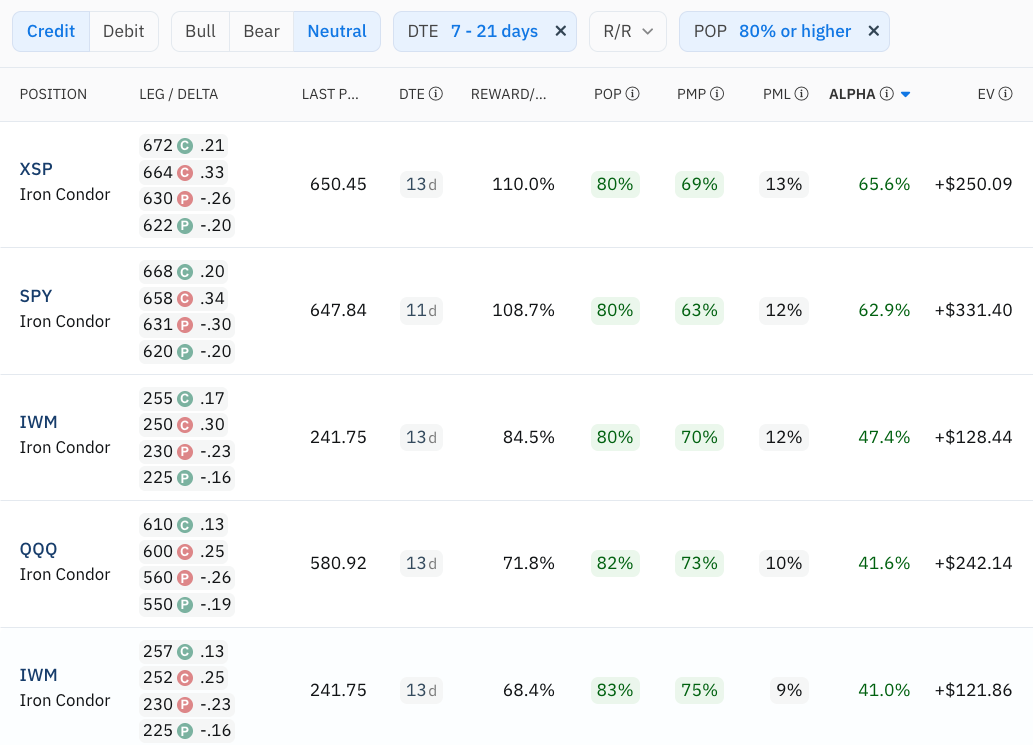
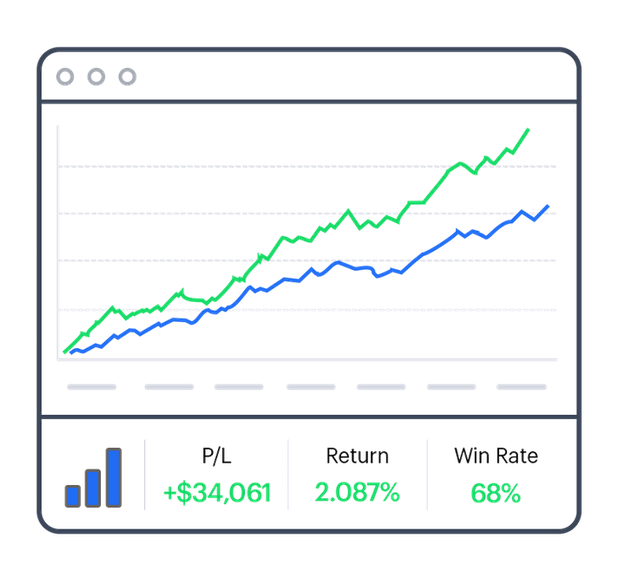
With actionable insights from Option Alpha’s backtesting and bot tools, this episode is a practical guide to understanding, testing, and trading 0DTE options responsibly.
Are 0DTE options a game-changer for traders?
Kirk admits he was skeptical at first, thinking 0DTEs might be a passing fad. But after watching the rapid growth of 0DTE options, he now views them as a major shift in modern trading.
Today, 0DTE contracts make up a huge portion of SPX volume and have become a core liquidity source for both retail and institutional participants.

Even if you don’t trade 0DTEs directly, you need to understand their influence on market behavior—because they increasingly drive intraday price movement and volatility. Kirk compares this evolution to past technological changes that traders initially resisted but later wished they had embraced sooner.
What are 0DTE options?
Zero days to expiration (0DTE) options are contracts that expire on the same day they are opened. Kirk walks through how daily expirations work, including when contracts are listed and how they roll into being “today’s” expiration.
Structurally, 0DTEs are identical to other expirations—the only difference is time. He explains how the market evolved from monthly expirations to weekly and now daily, and why the future might even bring hourly expirations. This shift represents the natural progression toward greater flexibility, faster feedback, and more refined strategies.
Why 0DTE volume and liquidity have surged
The explosion in 0DTE volume didn’t happen overnight—it has grown steadily as traders discovered the opportunities these contracts offer. Kirk notes that 0DTEs now make up more than half of all SPX option volume, meaning most of the market’s liquidity lives in contracts expiring today. Institutions use them for hedging, while retail traders use them for quick, defined-risk speculation.
Because so much activity is concentrated in 0DTEs, understanding their flow is key to interpreting intraday price behavior.
Common myths and misconceptions about 0DTEs
Kirk tackles a few 0DTE myths head-on. The first: that 0DTEs are only for gamblers. In truth, any strategy can be reckless without risk controls—while disciplined, defined-risk setups can work beautifully in 0DTEs.
The second: that you need a large account to trade them. In reality, small, structured spreads make 0DTEs accessible to almost anyone. And the third: that 0DTEs guarantee fast profits. Outcomes are accelerated in both directions, so success depends on a repeatable system, not on adrenaline.
The real benefits of trading 0DTEs
Kirk outlines the advantages that make 0DTEs so attractive. Rapid time decay can provide meaningful opportunities for short-premium strategies, especially later in the session.

The short duration also limits overnight and gap risk, keeping each day a clean, self-contained trading cycle. High liquidity in SPX ensures tight bid-ask spreads and efficient fills. And because traders can take many trades in a short period, they can reach 100–200 trades per year—enough to validate strategy performance statistically much faster than monthly trading.
The risks traders must understand
Of course, there’s no free lunch. Kirk warns that losses can accelerate quickly near expiration, often without much warning. Intraday swings can be psychologically taxing, tempting traders to cut winners early or chase losses.
Liquidity can also thin out late in the session at certain strikes, making it harder to exit positions. Managing these risks requires defined-risk trades, consistent sizing, and strict emotional discipline—three habits that automation helps enforce.
Building a disciplined 0DTE trading process
Kirk recommends using vertical spreads over naked positions to define risk clearly and avoid catastrophic drawdowns. Proper position sizing is essential, especially during inevitable losing streaks.
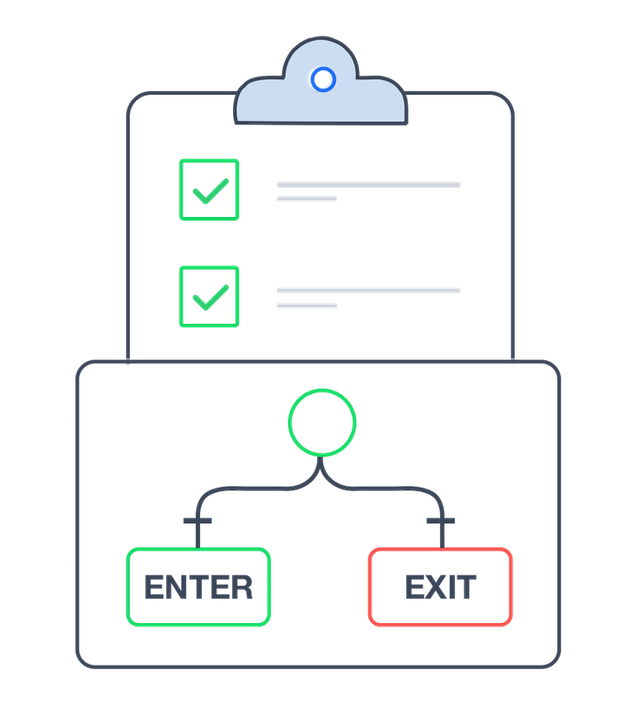
In his own portfolio, Kirk allocates a specific portion to 0DTE trading, diversified across multiple automated strategies. He emphasizes the importance of backtesting every idea before deploying real capital—ensuring statistical confidence before exposure. Automation, he explains, eliminates hesitation and executes rules consistently, capturing fast moves that would otherwise be impossible to trade manually.
What’s coming next in the 0DTE landscape
Looking ahead, Kirk expects more indices—and eventually individual stocks—to introduce 0DTE expirations. This will create more liquidity, more opportunities, and more need for disciplined frameworks.
Remember: 0DTEs aren’t inherently good or bad; they’re simply tools. What determines success is how responsibly you use them: defined risk, thoughtful sizing, consistent execution, and emotional control. With the right approach, 0DTEs can complement almost any options portfolio.
.png)



'%3e%3cg id='Final-Copy-2_2_' transform='translate(1275.000000, 200.000000)'%3e%3cpath class='st0' d='M7.4,12.8h6.8l3.1-11.6H7.4C4.2,1.2,1.6,3.8,1.6,7S4.2,12.8,7.4,12.8z'/%3e%3c/g%3e%3c/g%3e%3c/g%3e%3cg id='final---dec.11-2020'%3e%3cg id='_x30_208-our-toggle' transform='translate(-1275.000000, -200.000000)'%3e%3cg id='Final-Copy-2' transform='translate(1275.000000, 200.000000)'%3e%3cpath class='st1' d='M22.6,0H7.4c-3.9,0-7,3.1-7,7s3.1,7,7,7h15.2c3.9,0,7-3.1,7-7S26.4,0,22.6,0z M1.6,7c0-3.2,2.6-5.8,5.8-5.8 h9.9l-3.1,11.6H7.4C4.2,12.8,1.6,10.2,1.6,7z'/%3e%3cpath id='x' class='st2' d='M24.6,4c0.2,0.2,0.2,0.6,0,0.8l0,0L22.5,7l2.2,2.2c0.2,0.2,0.2,0.6,0,0.8c-0.2,0.2-0.6,0.2-0.8,0 l0,0l-2.2-2.2L19.5,10c-0.2,0.2-0.6,0.2-0.8,0c-0.2-0.2-0.2-0.6,0-0.8l0,0L20.8,7l-2.2-2.2c-0.2-0.2-0.2-0.6,0-0.8 c0.2-0.2,0.6-0.2,0.8,0l0,0l2.2,2.2L23.8,4C24,3.8,24.4,3.8,24.6,4z'/%3e%3cpath id='y' class='st3' d='M12.7,4.1c0.2,0.2,0.3,0.6,0.1,0.8l0,0L8.6,9.8C8.5,9.9,8.4,10,8.3,10c-0.2,0.1-0.5,0.1-0.7-0.1l0,0 L5.4,7.7c-0.2-0.2-0.2-0.6,0-0.8c0.2-0.2,0.6-0.2,0.8,0l0,0L8,8.6l3.8-4.5C12,3.9,12.4,3.9,12.7,4.1z'/%3e%3c/g%3e%3c/g%3e%3c/g%3e%3c/g%3e%3c/svg%3e) Your Privacy Choices
Your Privacy Choices